The World Wildlife Fund has a goal not just to help the wildlife in its title, but the local communities who are so necessary to keeping these creatures alive. This was my takeaway from my time with WWF in Nepal. While some would think that an organization like this is totally focused on helping animal species, I was amazed by how much of their work is involved with helping the local people as well. As I was told by multiple people there, improving the welfare of the locals is necessary for improving the welfare of the wildlife around them. Building up a healthy and respectful relationship between people and wild animals is a must if conservation workers can hope for cooperation in their conservation desires, and finding ways to improve the local economy and education standards is imperative for this to happen. If locals can earn an income not related to deforestation, and can earn money through ecologically-sound methods, then it’s a win-win.
WWF Nepal has a landscape approach to conservation—it used to be focused on specific sites or issues, such as tiger conservation and rhino conservation, with less focus on people’s livelihoods. Under the new approach people can benefit from conservation and feel a sense of ownership towards the wildlife, thus wanting to protect it. Ecotourism is a key part of this.
Chitwan National Park is part of WWF’s Terai Arc Landscape program. One of their main goals is to create biological corridors between Nepal and India with the support of local people so that endangered species can have safe ways to travel and breed between these countries. Some of these areas have many external threats—forest fires, illegal deforestation, poaching, and excessive grazing by livestock. By improving local livelihoods, the endangered species in these areas such as the Bengal tiger, one-horned rhinoceros, wild elephant, and gharial can be saved.
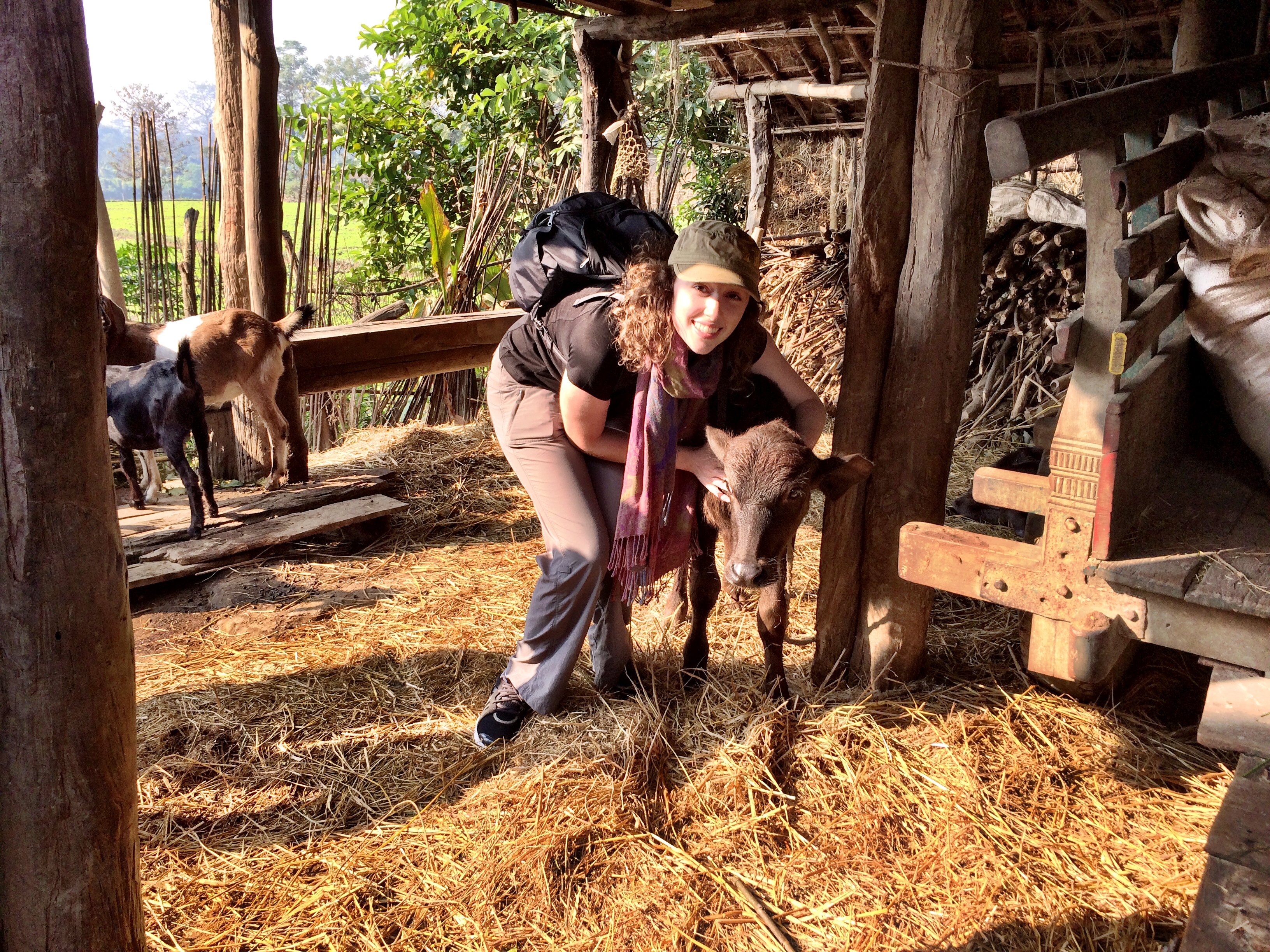
At a local home in Sauraha, greeting the animals.
My hosts at WWF Nepal showed me some of their projects in the Chitwan area, including their elephant dung paper production, biogas fuel program, and a buffer zone community forest. As we zipped down bumpy country roads by motorcycle, I clung on for dear life but loved the rush. I was taken to the shop and production area where elephant dung paper is made and sold to tourists. Taking elephant dung, it is bleached, pressed, and turned into a thick, almost cloth-like paper. This practice creates paper by a means other than deforestation, recycling waste into something productive that takes advantage of ecotourism. I was then show how biogas is used in these small towns. Cow dung and even human waste can be put into a pool, undergoing chemical processes, and eventually transforming into a form of fuel. By using biogas, locals can use cow dung for energy instead of chopping down trees for firewood. In Sauraha, 80% of the locals use biogas in their homes, and I got to see how it is used to light the flames used for cooking within the small clay houses so common there.
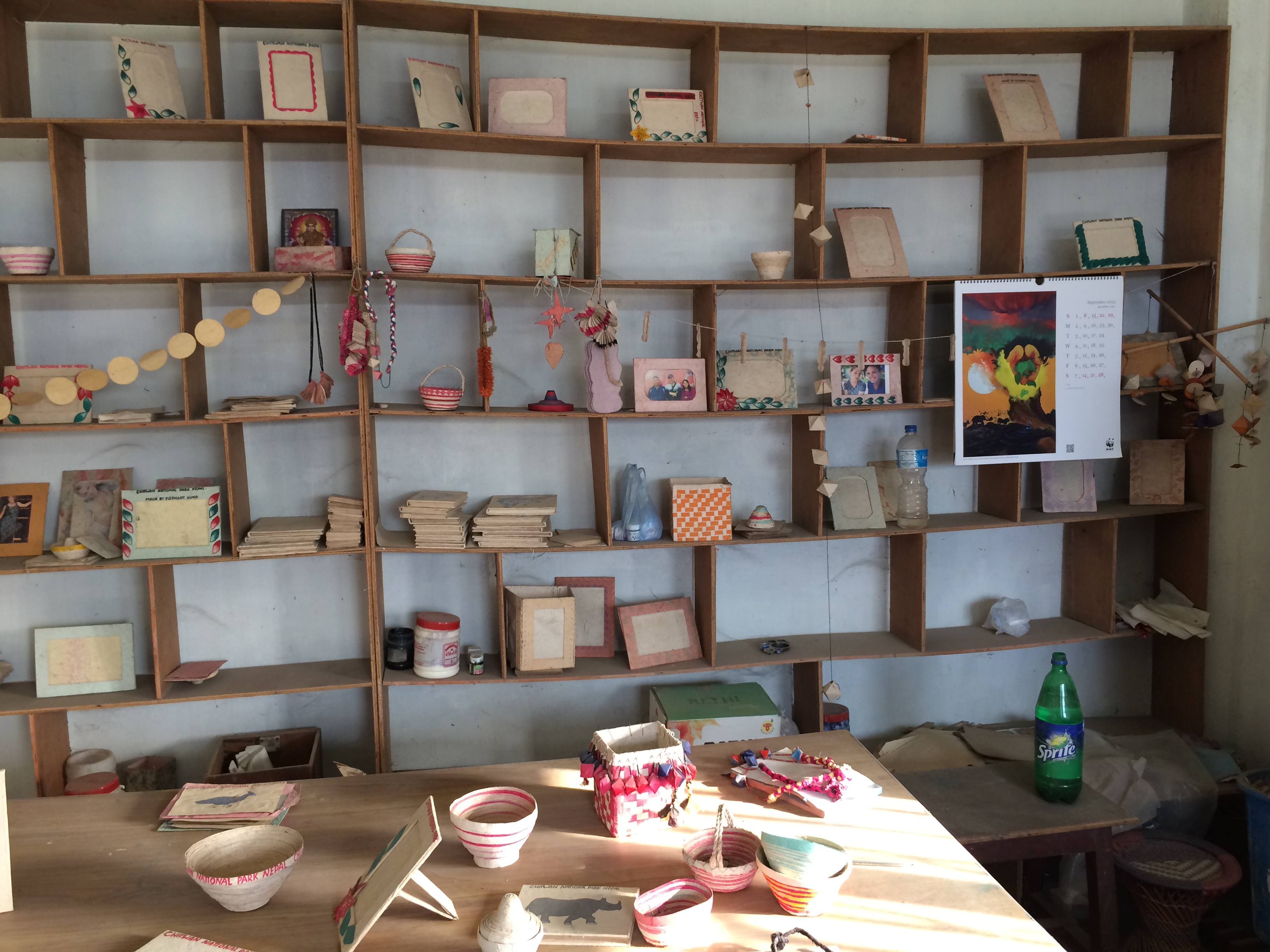
The shop
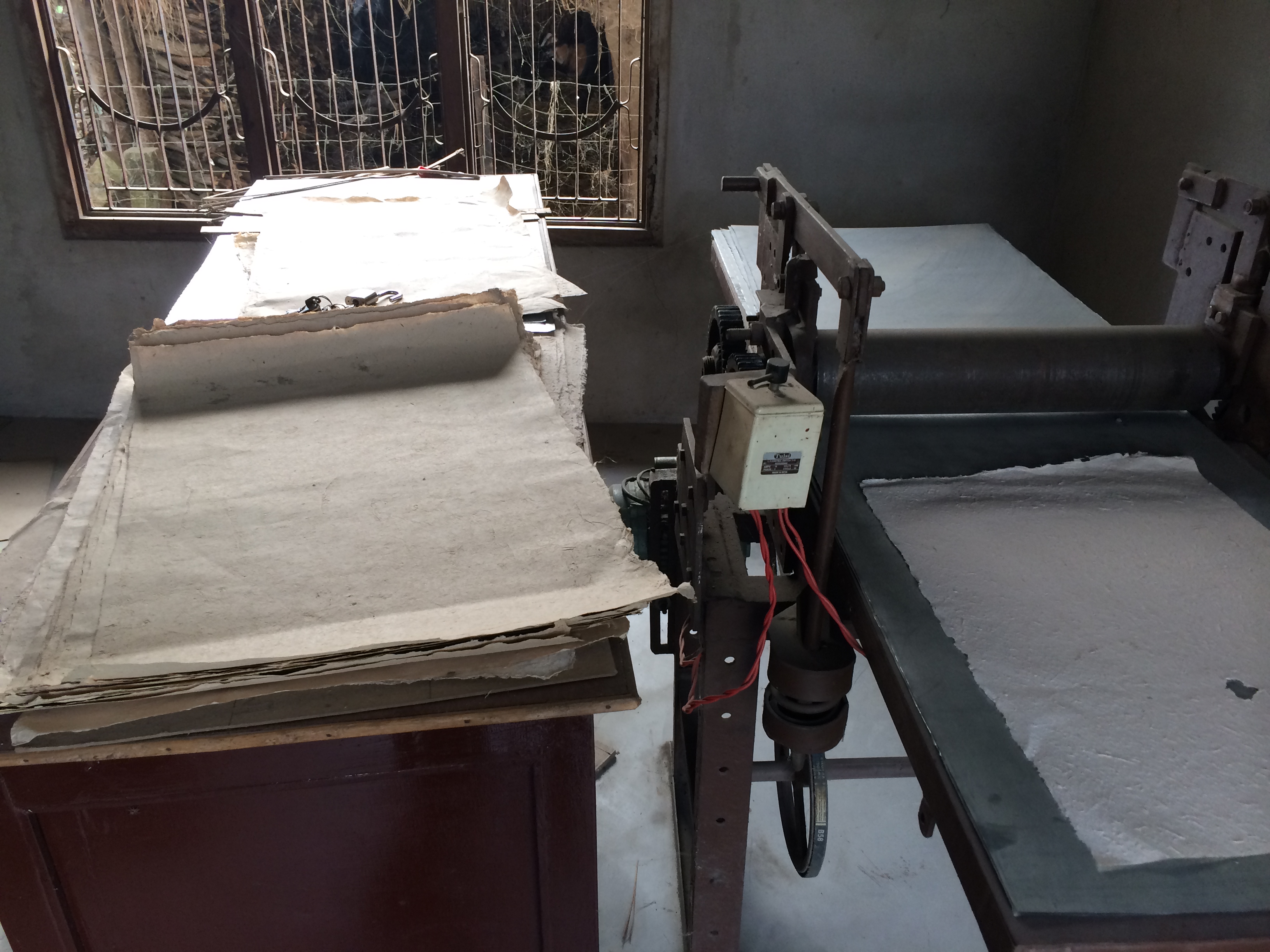
Where the paper gets made
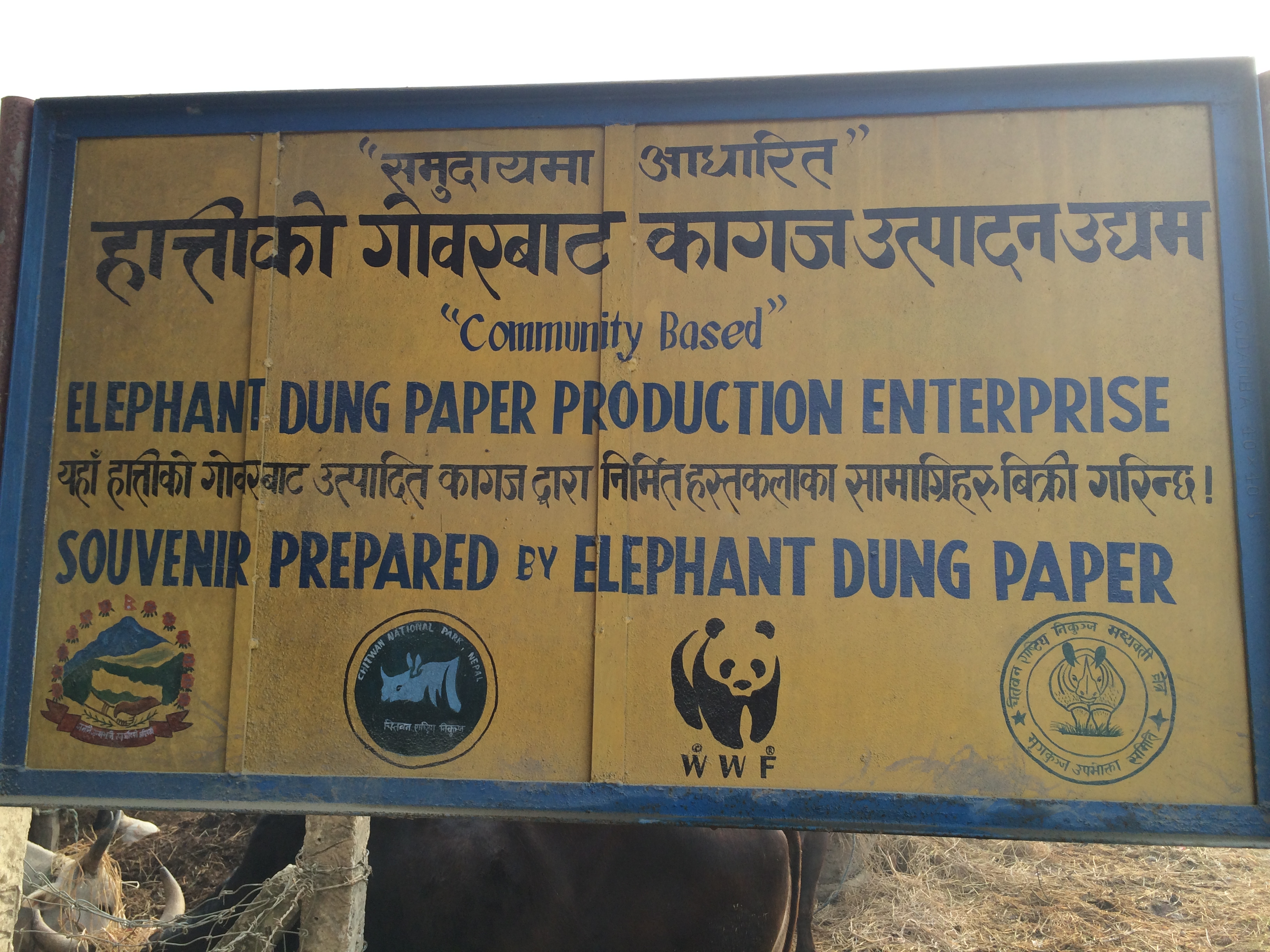
Elephant Dung Paper
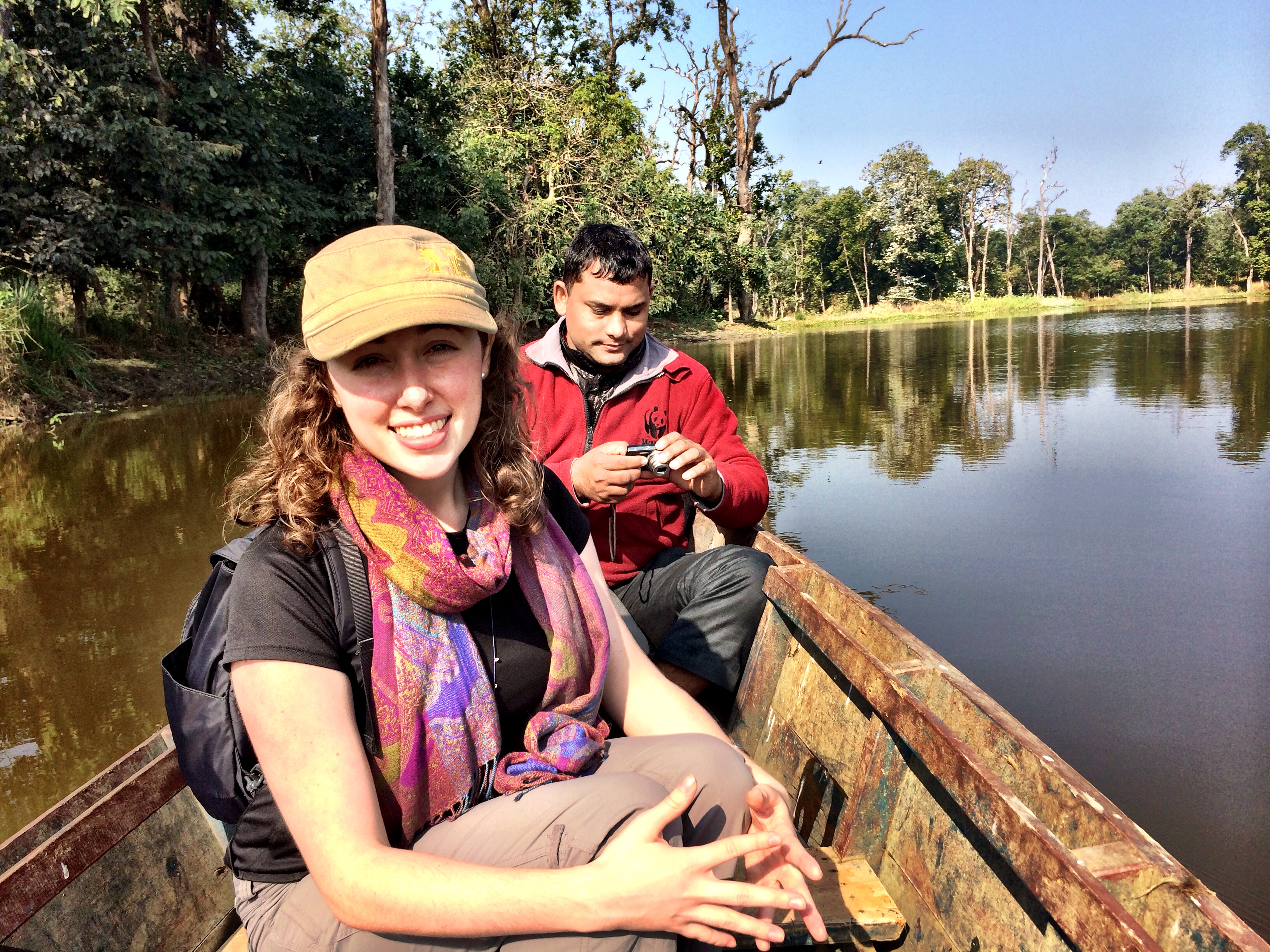
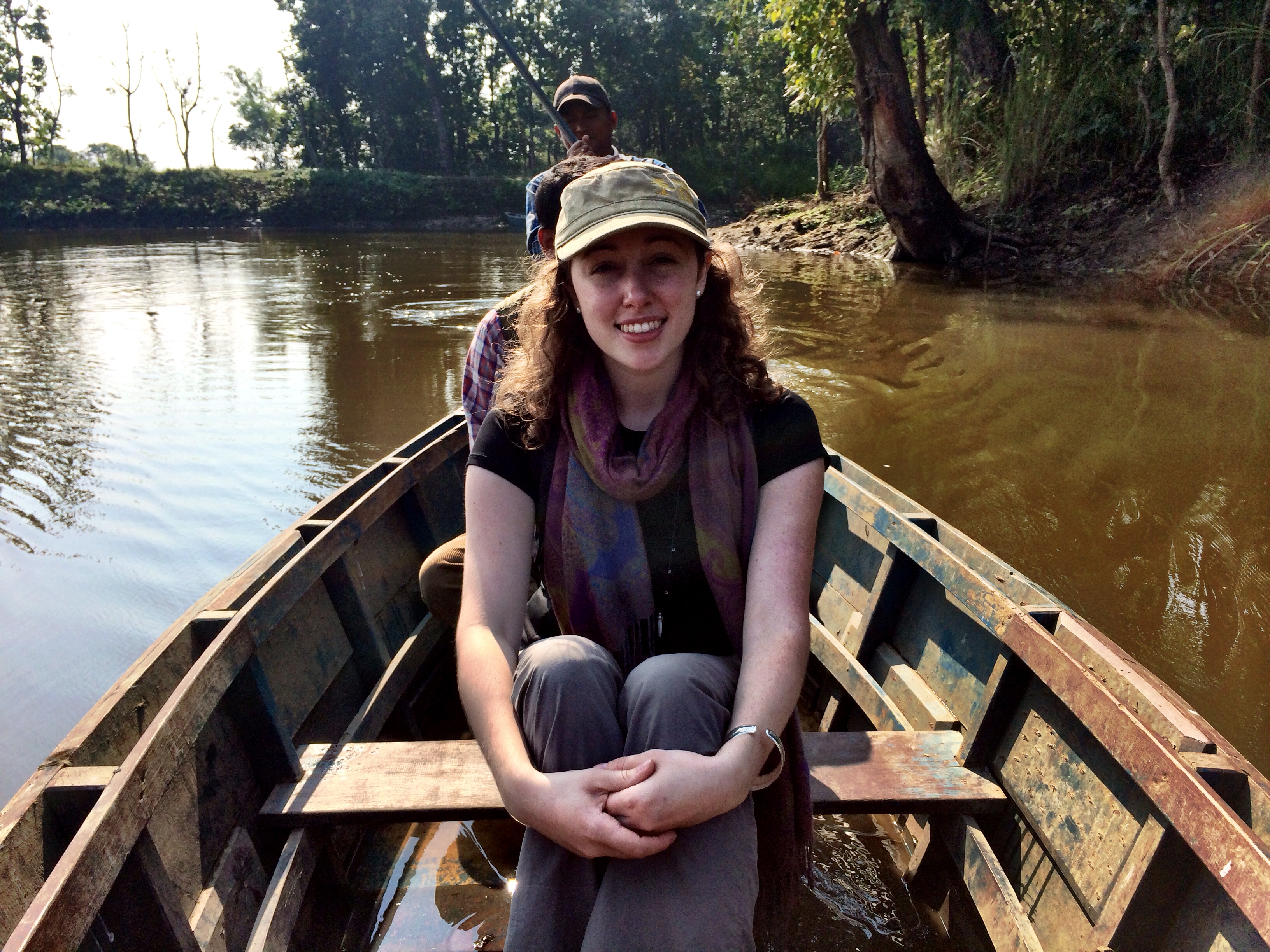
I was then taken to the Tikauli Buffer Zone Community Forest. This zone is part wetlands and part grasslands, a breeding ground for migratory birds from Russia, and a corridor for rhinos and tigers traveling through the area. It’s also a sight of ecotourism for local tourists, and the community earns income from this tourism. This site is financially supported by both WWF and the community- 70% and 30% respectively, thus there is a sense of responsibility from the community. Local youths manage forest fires and are brought up feeling the need to protect this area and the species within it.
My time with WWF showed me the connections between man and animal on a large scale and how much work from the ground up goes into protecting the areas needed for wildlife to flourish. I hope to one day return and continue learning from the wonderful people I met there.
 WanderWild