As I boarded the bus, truly alone for the first time in my journey, I couldn’t help but be intimidated. It was a 6 hour drive South through the mountains over the bumpiest unpaved roads I’d ever felt. My extremities had actually started to go numb by the end of my trip from the constant jostling. As we entered the town of Sauraha that borders Chitwan National Park, I was fascinated to see how the landscape had changed. For the first time in a long time I was surrounded by lowlands instead of mountains, and the town was tiny in comparison to bustling Kathmandu. Domesticated elephants were ridden in the streets, and wild elephants had just destroyed a local hut and killed some cows.
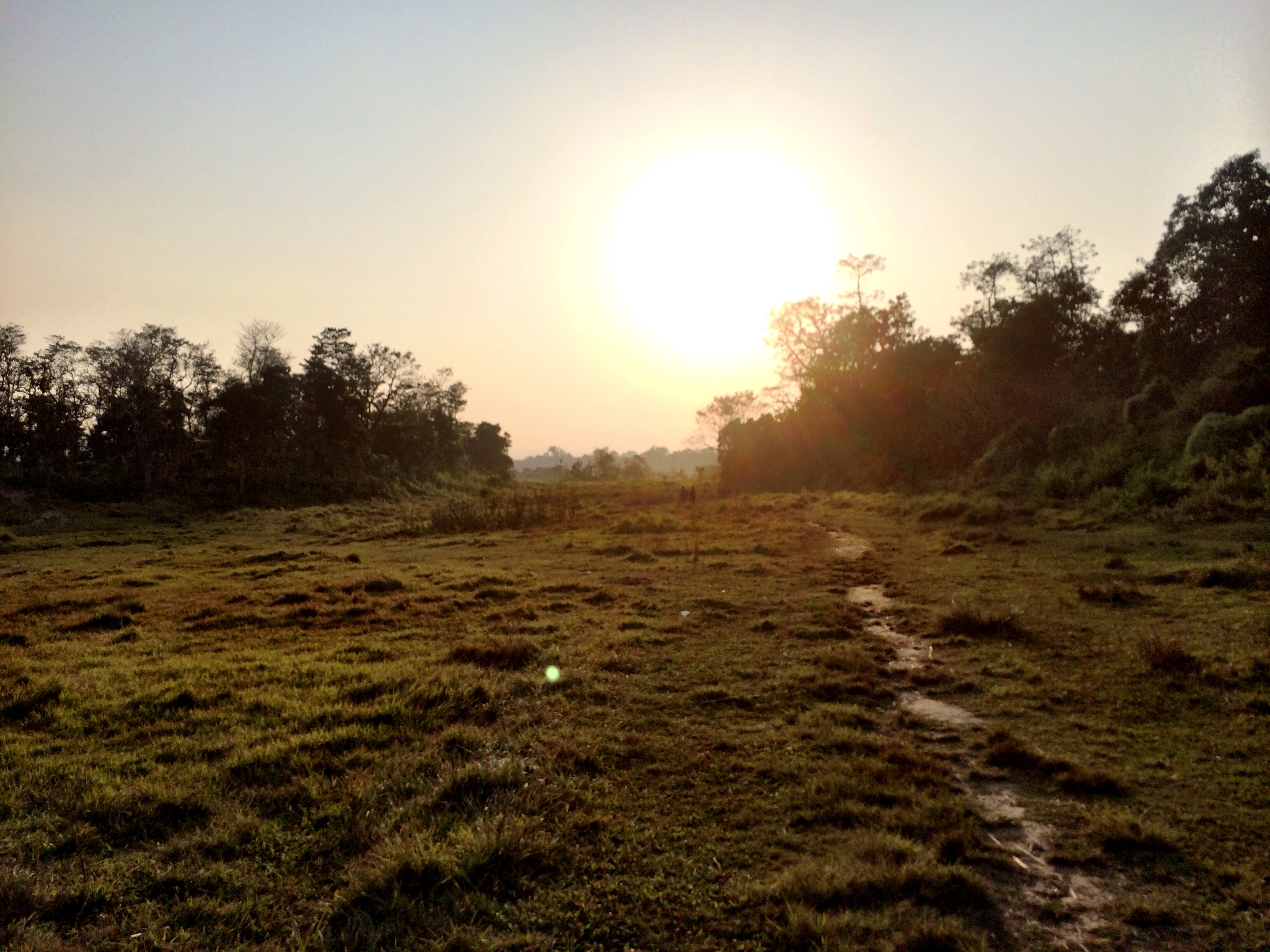
The lowlands of Chitwan
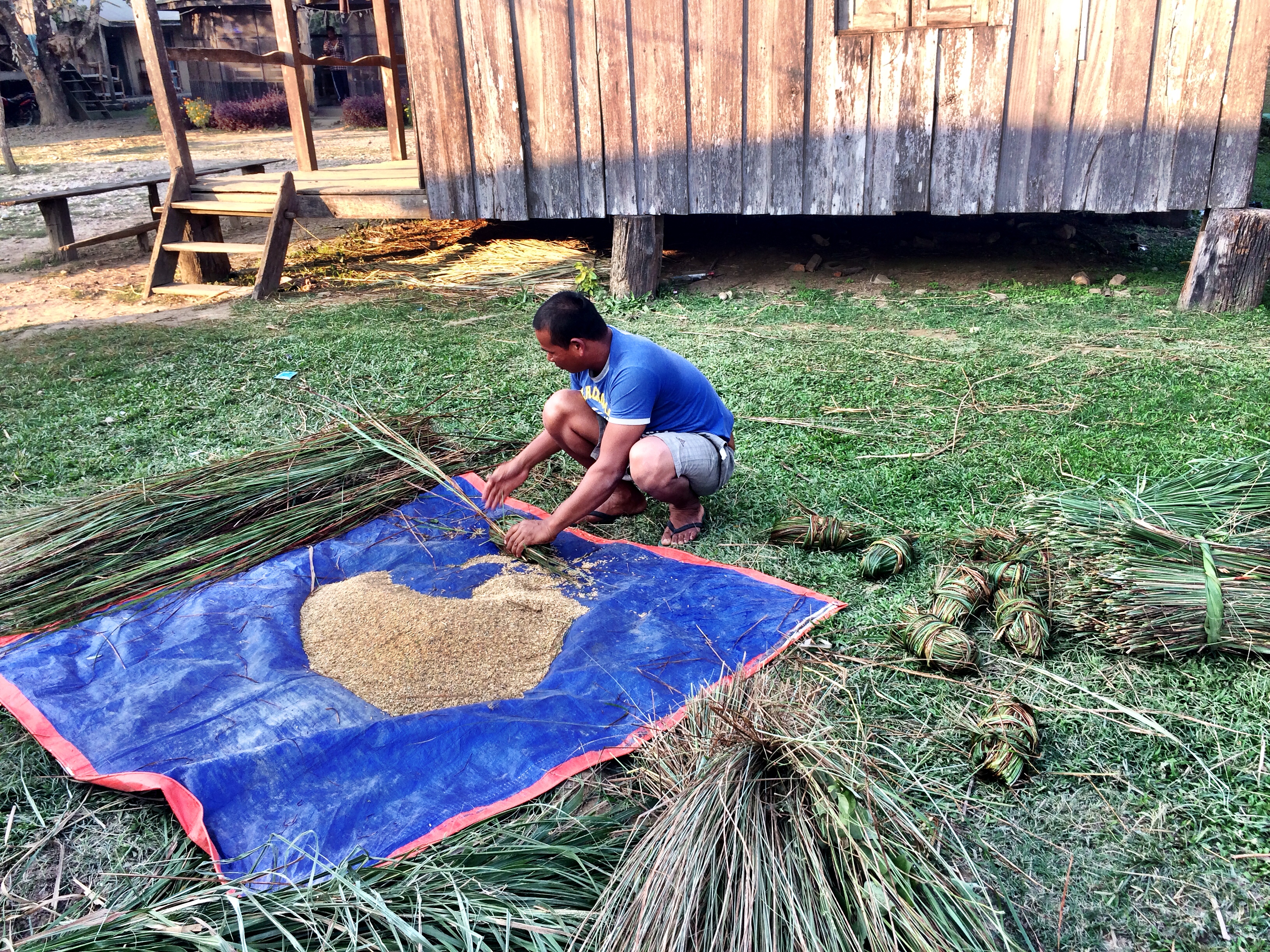
A man preparing ‘elephant sandwiches’
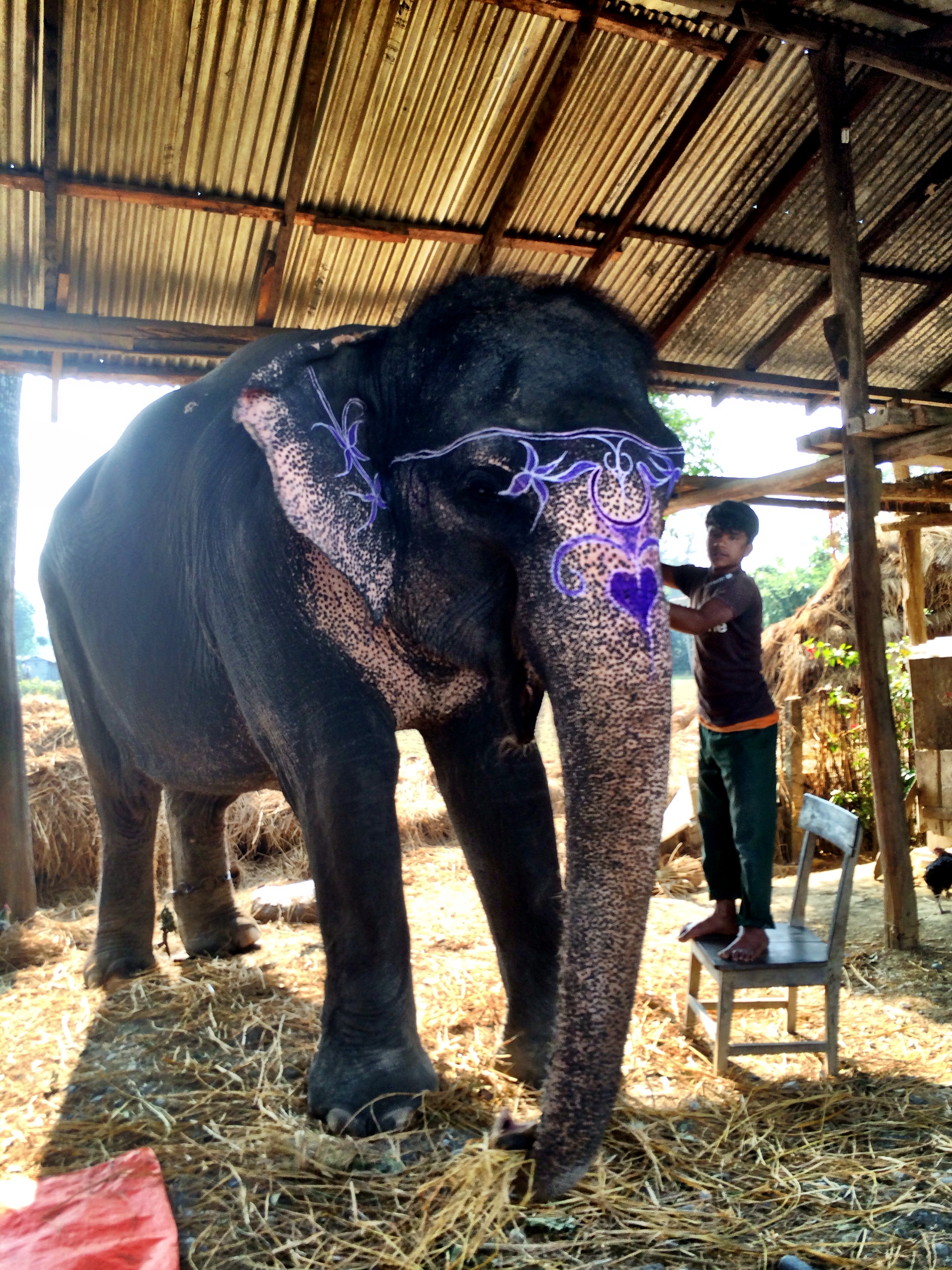
A mahout decorates his elephant
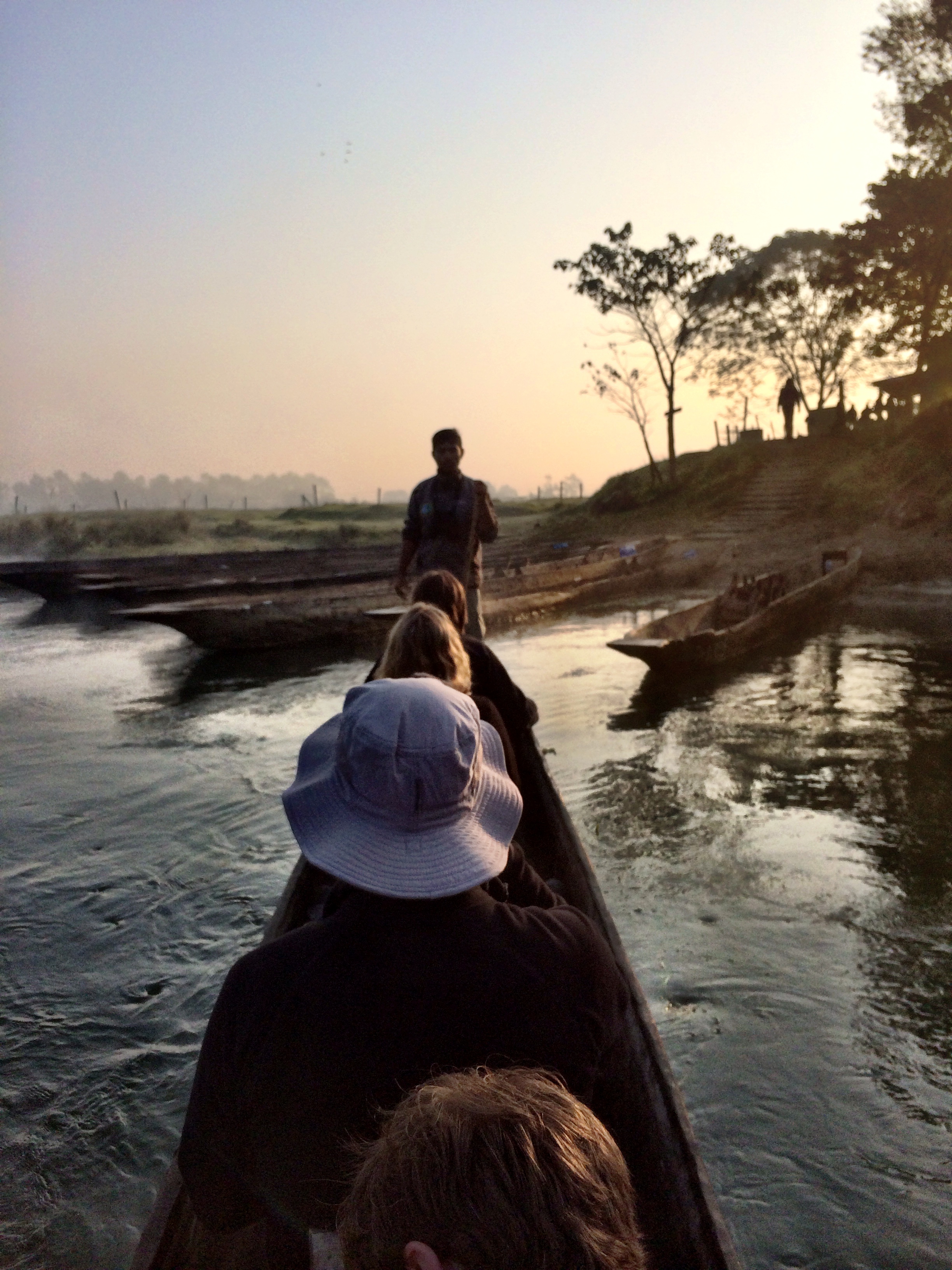
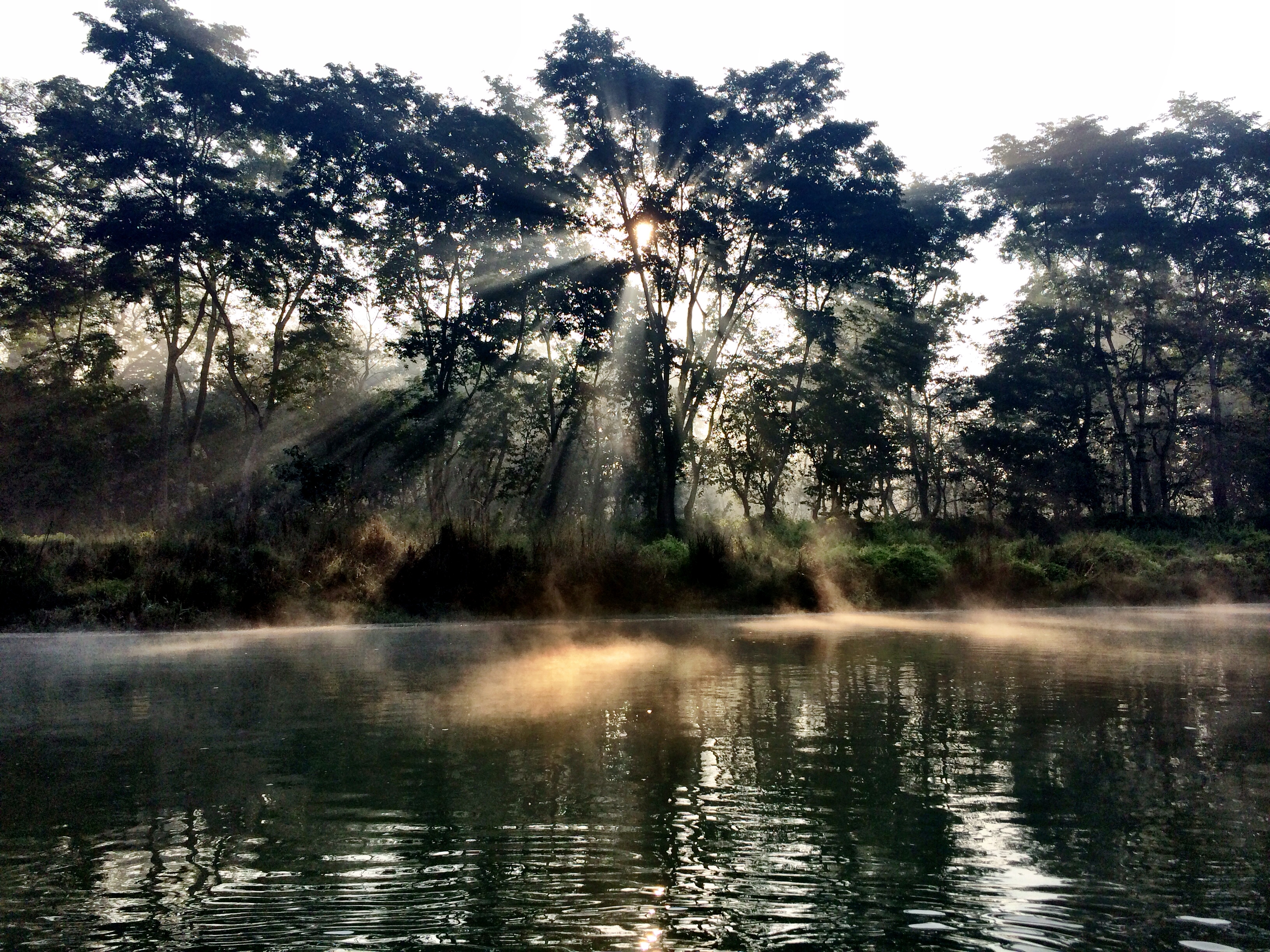
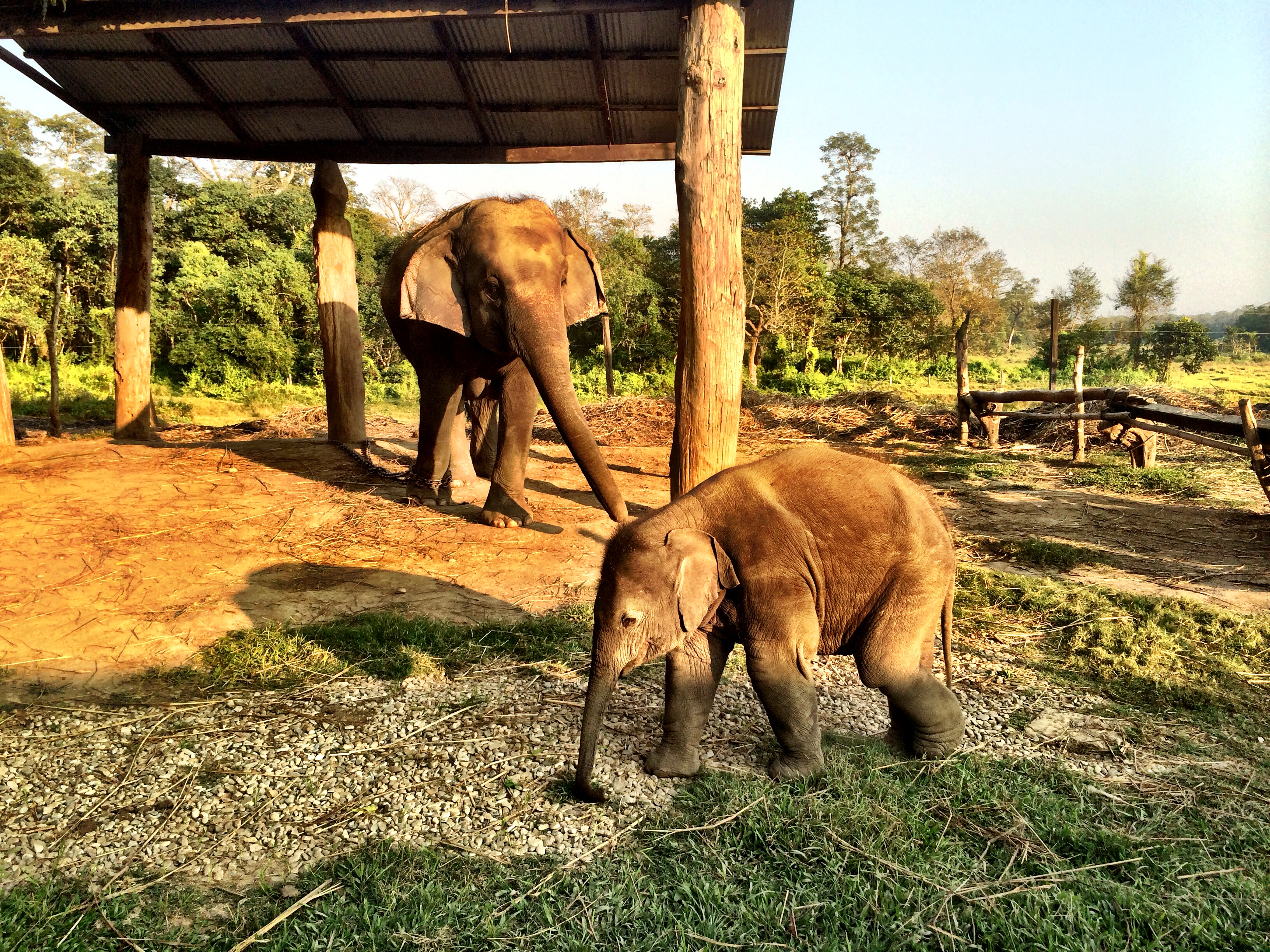
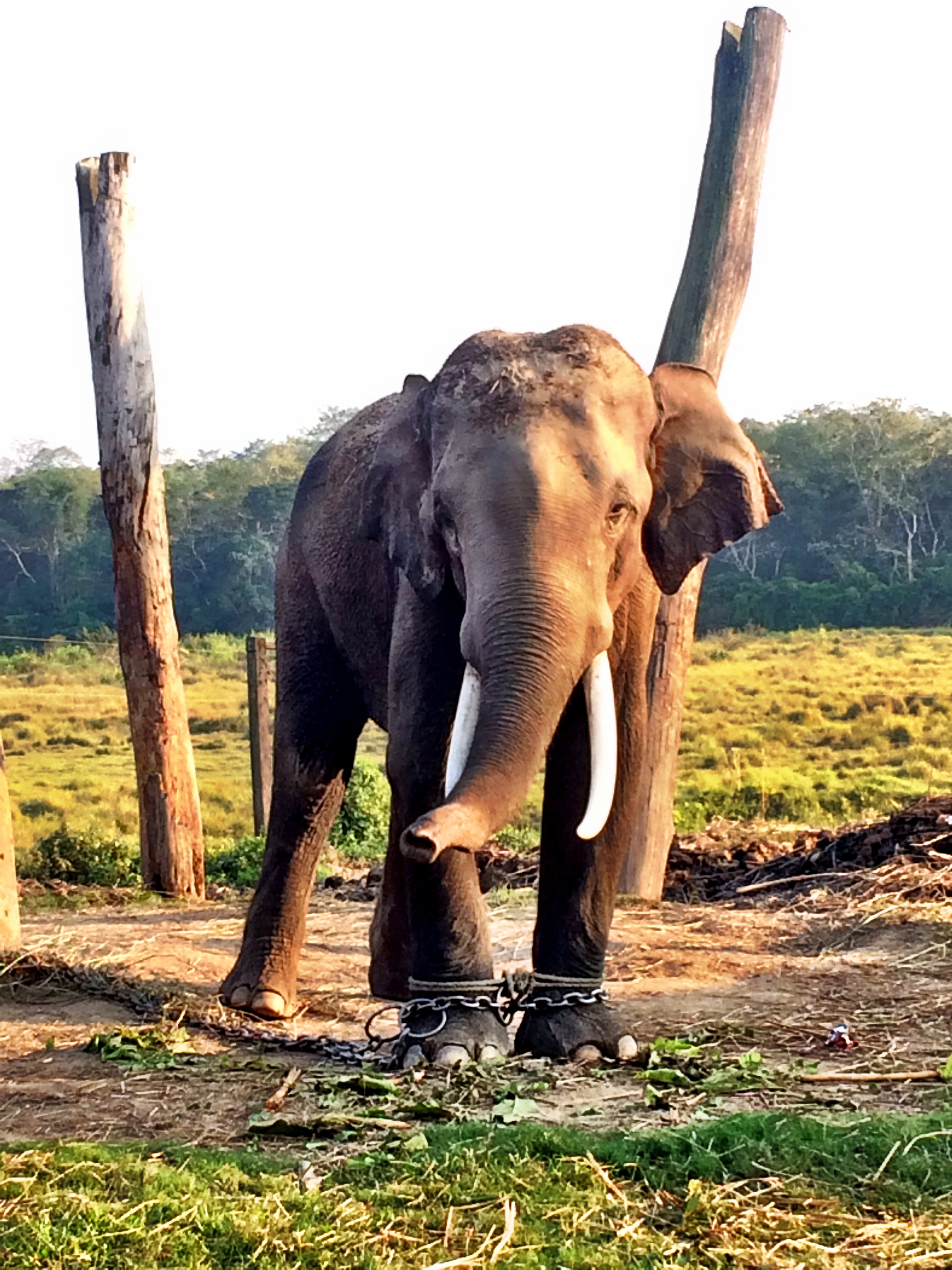
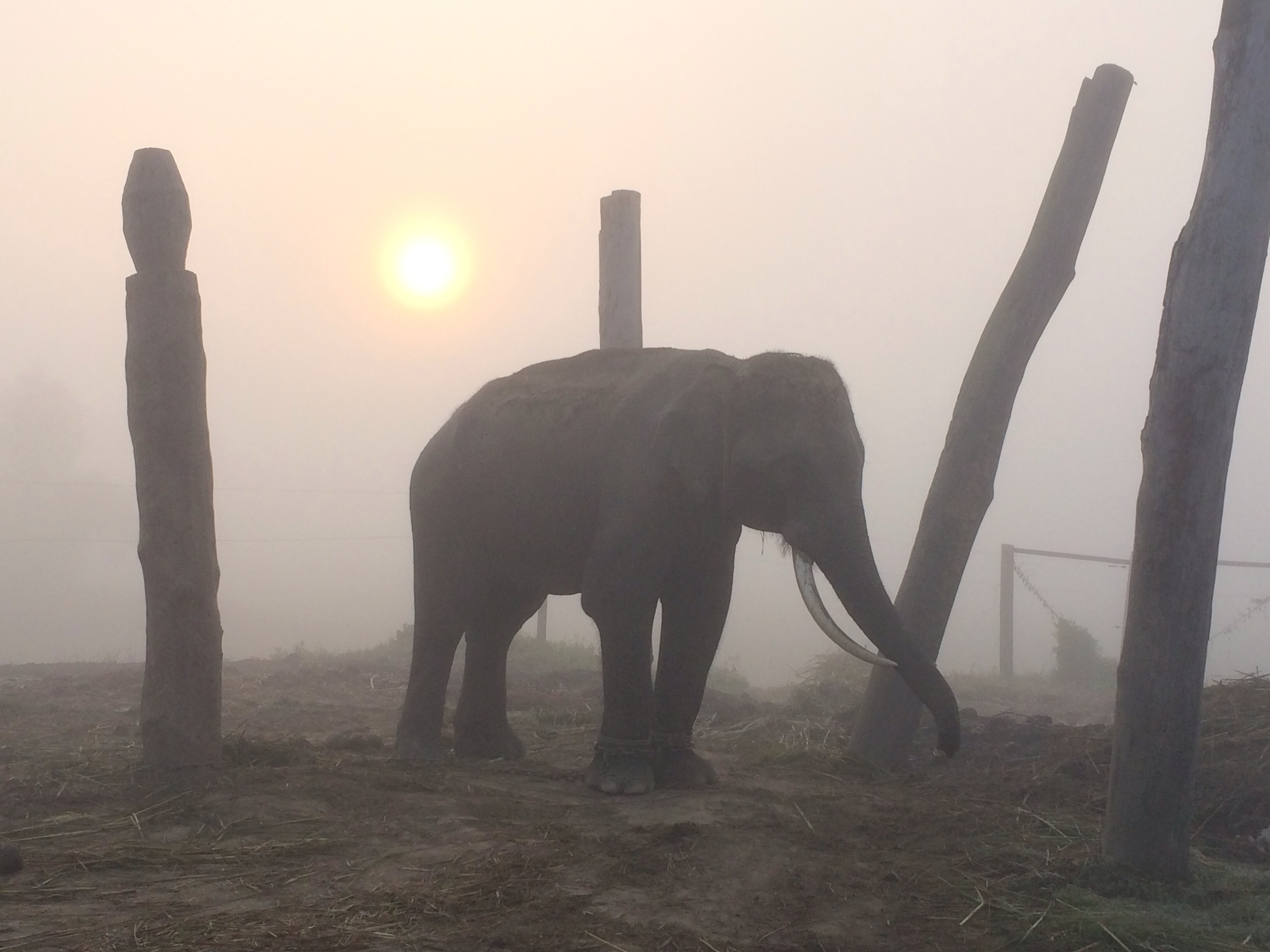
The eco-tourism activities began with a dugout canoe ride in the early morning. Fog eerily rose off the water, and we listened to the birds calling around us. As we silently pushed through the water, every once in a while you would see a shimmering jewel on a log and realize you were actually looking at a kingfisher, in shades of iridescent blues and greens and reds. Then, if you were paying attention, you’d notice a disturbance in the water and see a crocodile quietly glide by the canoe. A walk to the elephant breeding center showed where the Nepalese government breeds and houses the elephants they use to ride through the national park and ward off poachers. I couldn’t help but have mixed feelings when seeing them with chains around their legs, though I was assured they were let loose to feed in the jungle every day. Though they are domesticated for a good cause, it is still strange to see such a massive and magnificent creature being controlled by man.
From there it was time for a nature walk through the park, where few animals were seen other than spotted deer. However, I did make an unwanted friend—walking through the dense, wet underbrush led to me finding a leech attached to my upper pants leg. While normally I would have yelped in fear (I love snakes yet bugs send me into irrational states of panic), the knowledge that I had to stay quiet to not scare away any potential animal sightings led to me somehow calmly asking my guide to pull it off for me. We did find a tiger paw print in the mud though, which I knew would be the best I would get in terms of a tiger sighting—tigers are masters of camouflage and are nearly impossible to see at this time of year when the grasses have grown tall. A jeep safari concluded the day where we saw an endangered one-horned rhinoceros from afar, as well as gray langur monkeys high above us in the trees and a stop at the endangered and bizarre looking gharial breeding center–crocodiles with extremely narrow snouts for catching fish in the rivers. It was difficult to see much from the jeep, and the closer encounters would come the next day, with a far more unique form of transportation.
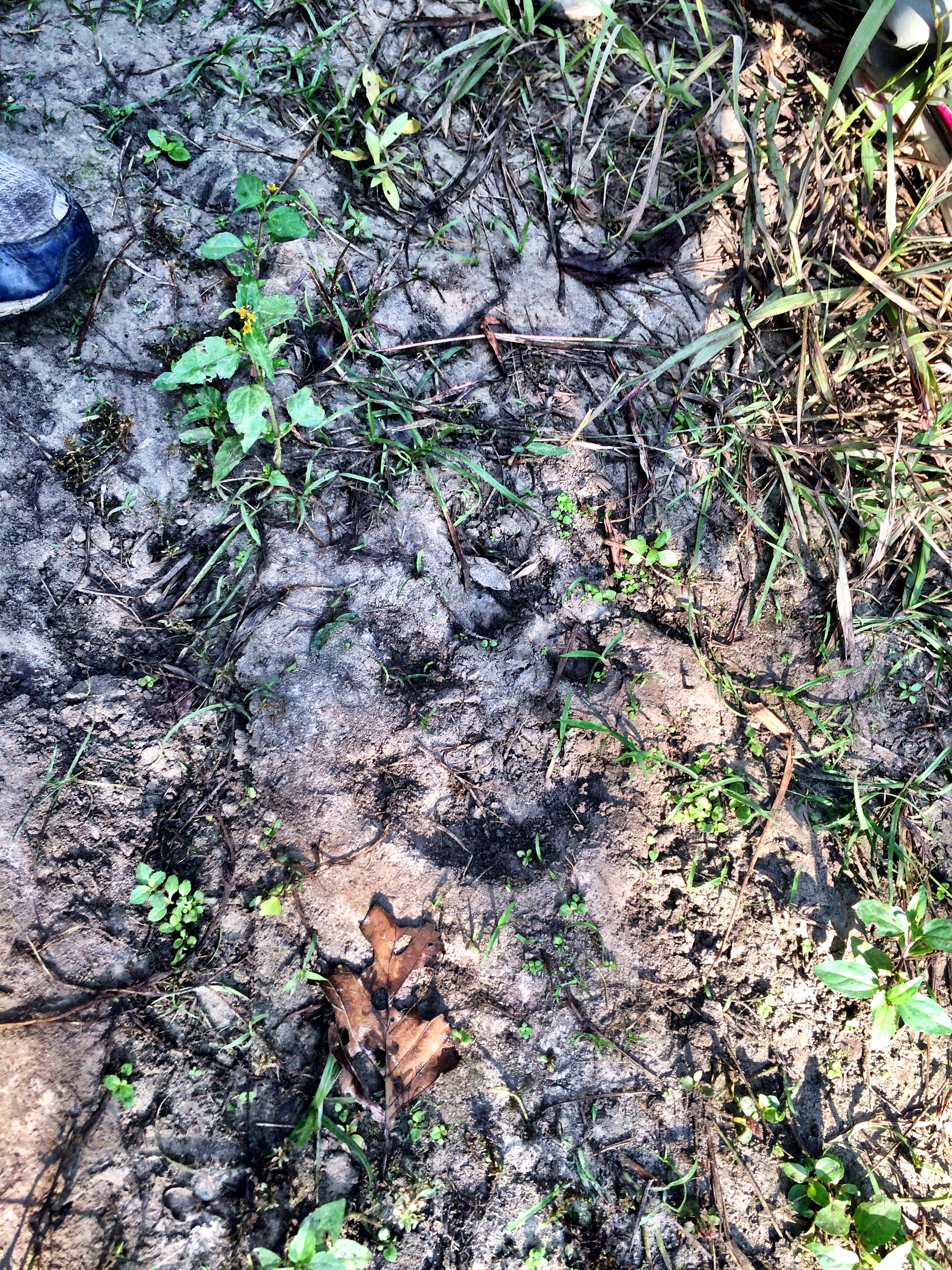
Tiger paw print in the mud
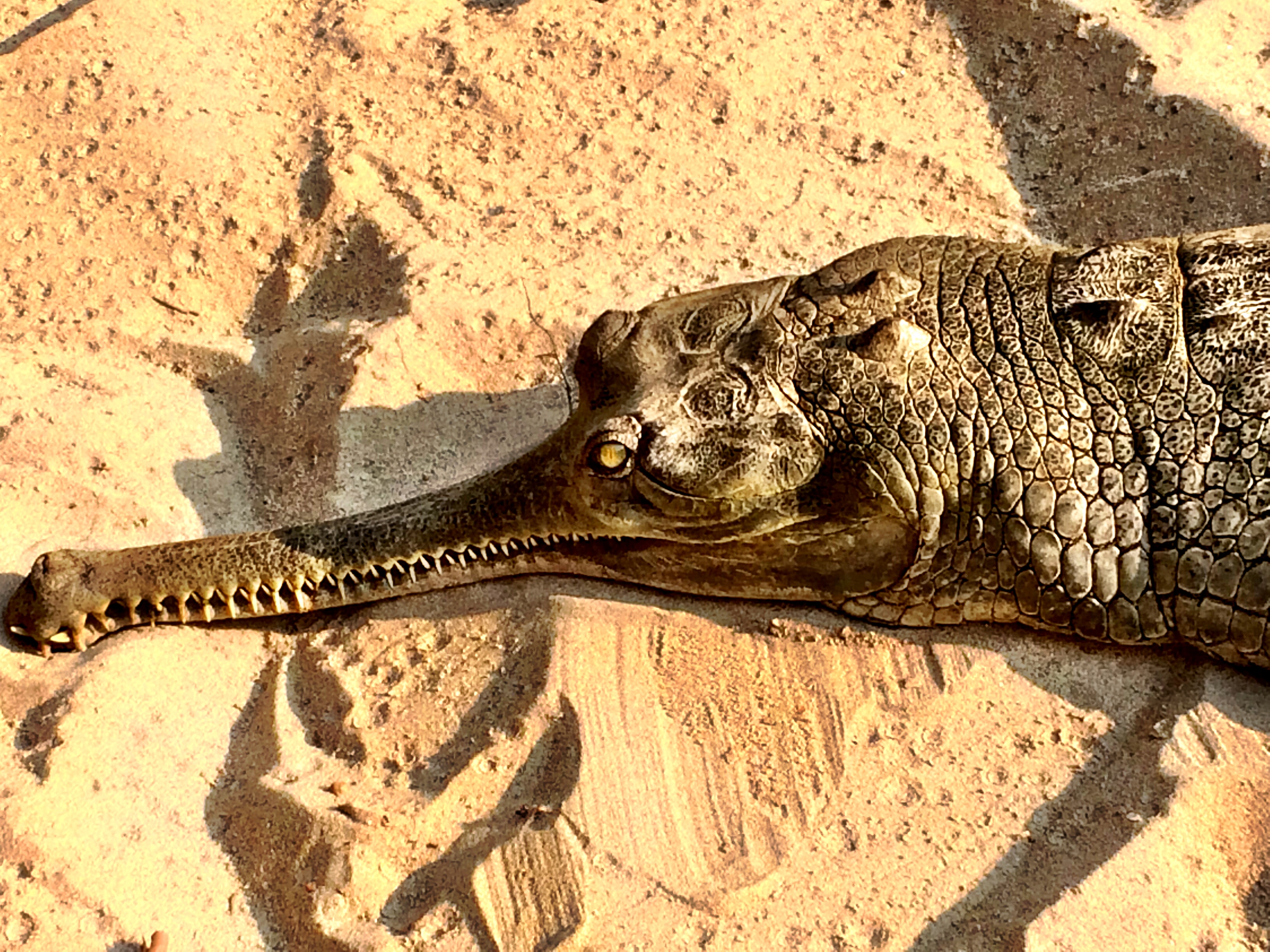
Gharial
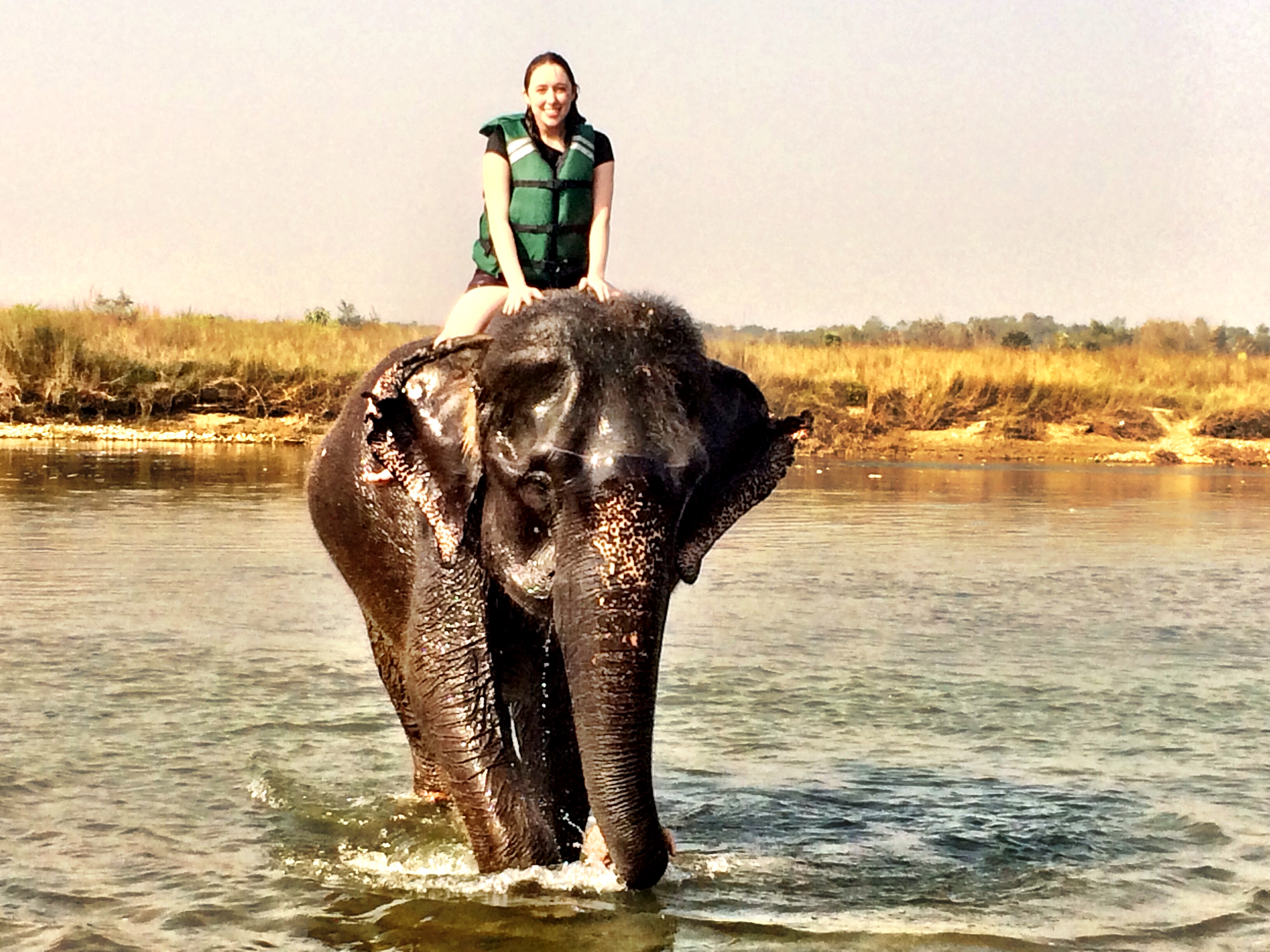
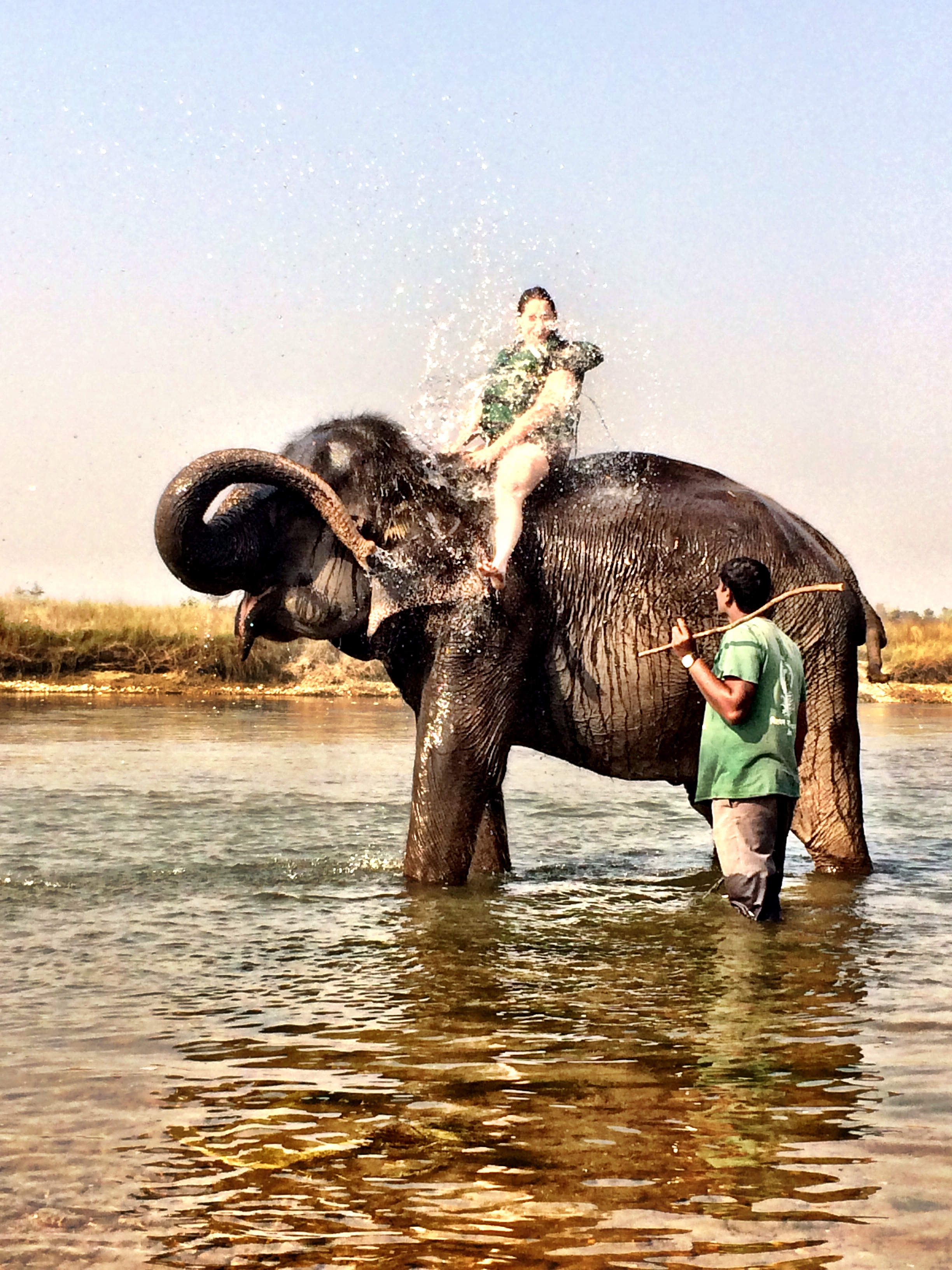
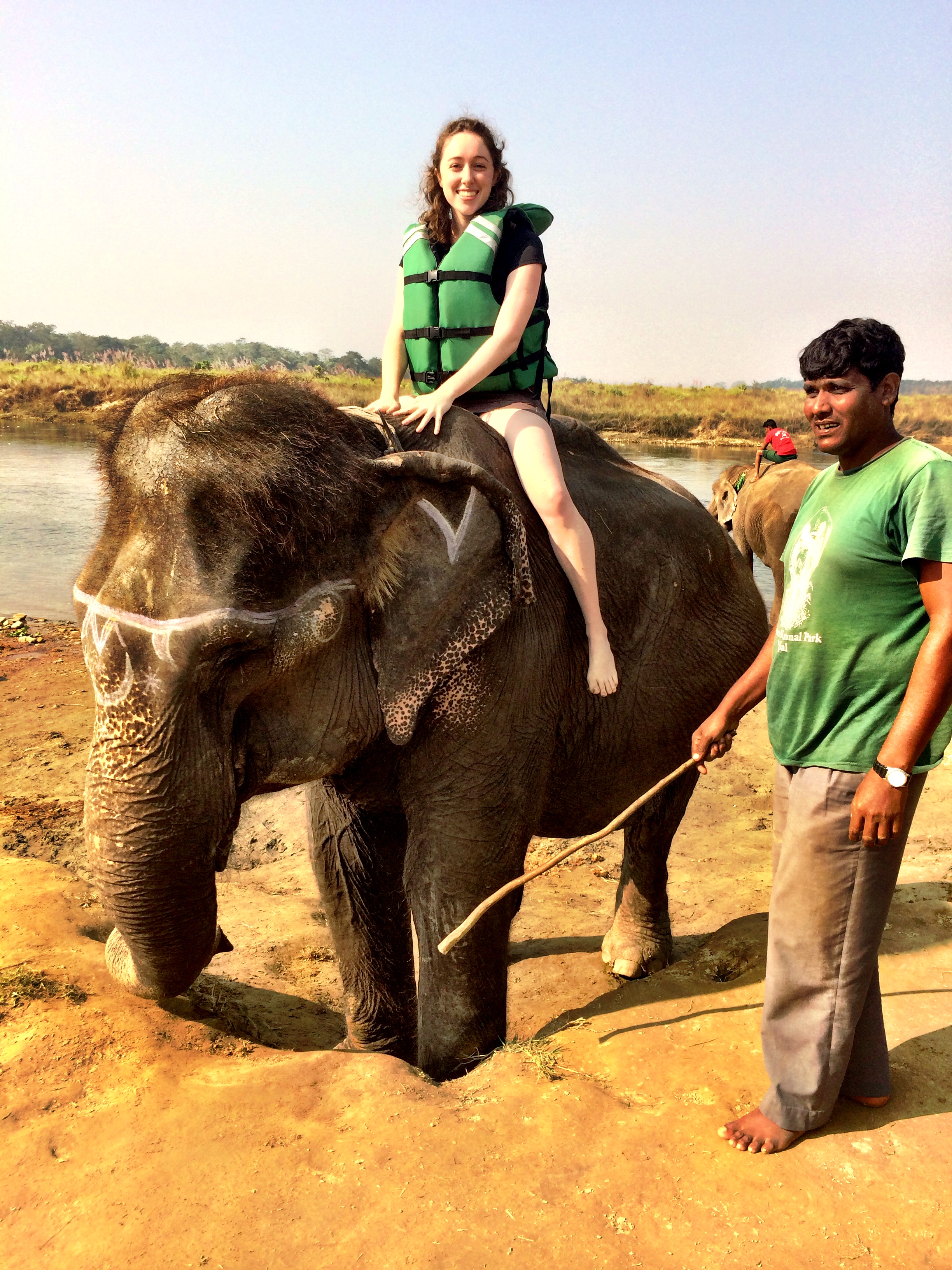
The next day contained what I had been looking forward to the entire time I had been in Nepal: An opportunity to bathe elephants and go on safari with them. Going down to the river where the mahouts wash their elephants in the mornings, I climbed on to the back of an elephant and nestled myself in behind its head. I was wearing shorts and was amazed by how prickly the elephant’s hairs were against my bare legs. We think elephants are hairless but they’re actually covered in sparse, wiry bristles. As the mahout led the elephant into the river, she sucked water up in her trunk and splashed it over her back, including all over me. The water was freezing but I couldn’t help but laugh in glee every time she splashed me. Then she sunk down to her knees and I hopped off and helped scrub her down. She lay on her side in the water and seemed so pleased to be getting the attention that I didn’t want to stop. I got back on her as she rinsed herself (and myself) off, and we headed back to land. It was hands down my favorite experience while in Nepal.
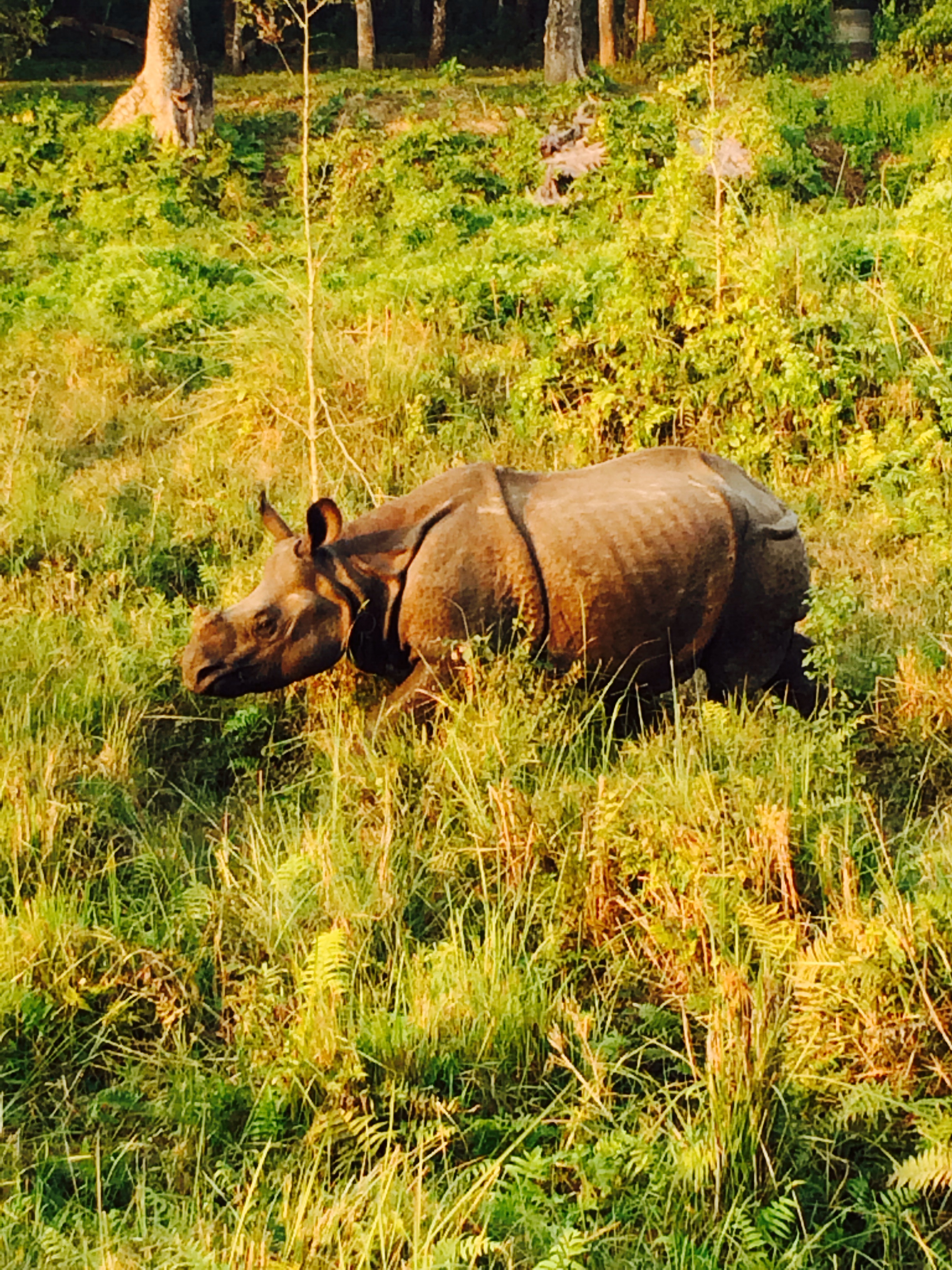
Then it was on to the primary event- the elephant safari. You go into the park and are put with three other people on a small platform on the back of an elephant, with a mahout seated on the elephant’s neck. As the elephant began walking I felt like I was going to pitch over its side– its lumbering movement is unique, and I can understand why some people get motion-sick from it. Still, I couldn’t help but compare it to the horseback riding I love so much and imagine myself riding the elephant off into the distance. For a long time we thought we wouldn’t see any animals– in fall and winter the grasses grow extremely high and visibility is limited. I had heard this but didn’t grasp how tall grass could grow until I saw that they were towering over our elephant’s heads. As the elephants pushed through them, I felt like the world had become miniaturized. Out of nowhere we heard a call from a mahout, and our elephant went charging forward through the underbrush– a one-horned rhino had been spotted! The elephants surrounded it and we were able to watch this endangered rhino as it watched back warily. It really does look like the Dürer woodcut of the Rhinoceros that looks like it’s made out of plates of armor, much more so than an African rhino. Our safari felt fulfilled and as we headed back under the setting sun I felt like I had experienced a real adventure.
 WanderWild
Hi friend.. glad to meet you in very short time in hitwan. Hankyou for your few words for chitwan elephant.